by Community Guest Writer Nancy Cullen
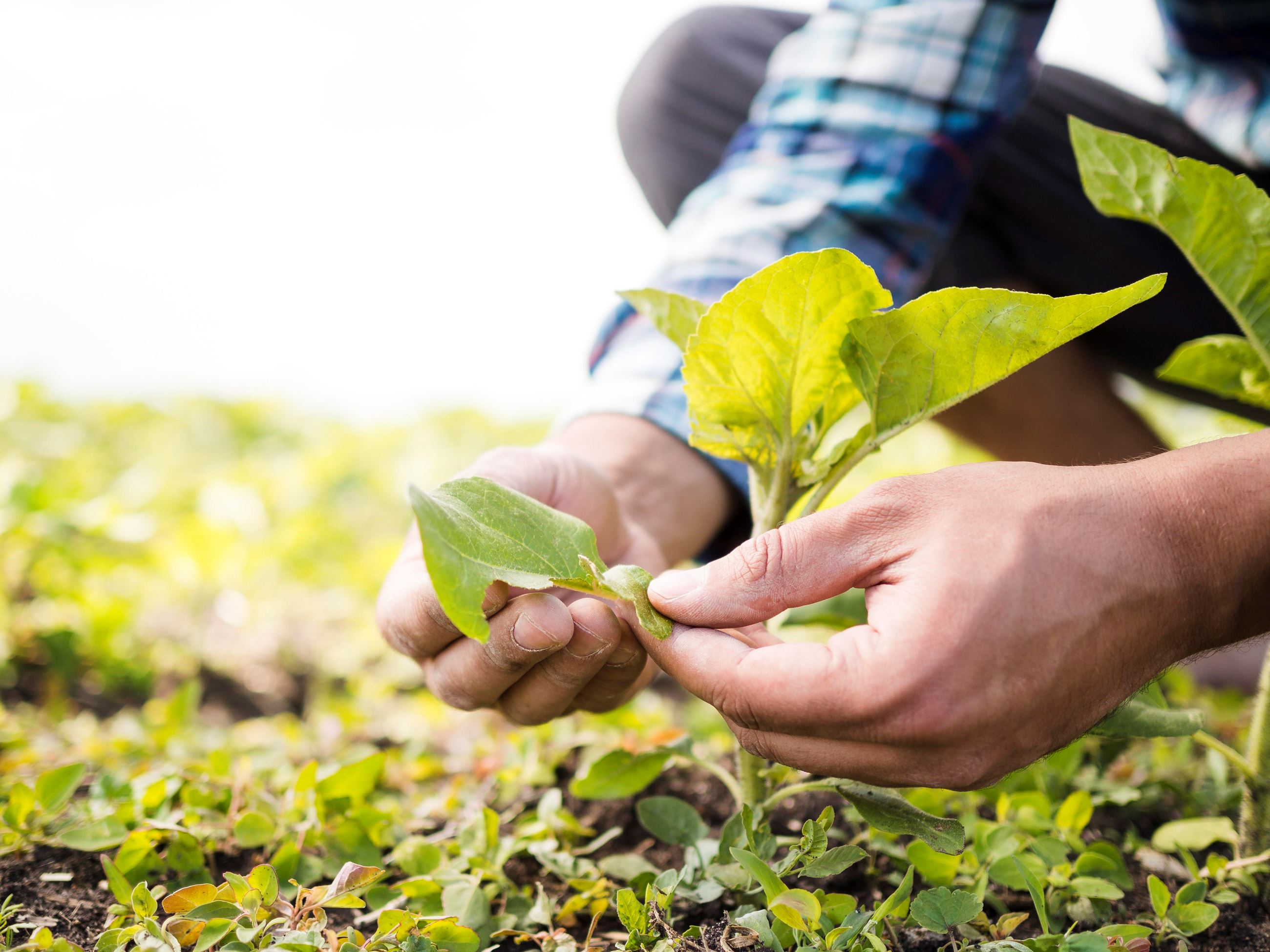
Image courtesy of Freepik
There’s a certain rhythm to life on a farm out here. The morning mist rolls across your fields while the mountain keeps quiet watch in the distance. But as the world shifts, so do the pressures and questions on every farmer’s mind—how do you protect your soil, your water, your way of life, without sacrificing productivity or going broke? If you’re farming in Pierce County, you’re in a good place to start answering that—because help is right here, and the road to sustainability isn’t paved with guilt or confusion, just a series of choices grounded in what already works.
Start with the Soil, Stay with the Soil
Every seasoned grower knows the soil’s not just dirt—it’s memory. The healthier your soil, the less you need to rely on expensive fertilizers, the better your crops resist pests, and the easier it becomes to bounce back after a tough season. You can start with cover cropping, composting, or rotating what you plant to let your fields breathe and rebuild. The Pierce Conservation District offers soil testing for free, and if you’ve never looked under the surface, now’s the time—because that quiet patch of earth holds more potential than most folks give it credit for.
Water Smarter, Not Harder
Pierce County sees its fair share of rain, but that doesn’t mean you can afford to be wasteful. Water efficiency isn’t just about saving money on your bill—it’s about future-proofing your farm against droughts and runoff issues that can cost you much more later. Installing drip irrigation, timing your watering to early morning hours, and collecting rainwater are small shifts with big impact. And if you’re not sure what upgrades make the most sense, the District can walk your property with you and lay it all out in plain terms.
Bring Back the Hedgerows
This might not be the first thing that comes to mind when you think of sustainability, but planting native trees and shrubs along the edges of your fields or pastures can do a lot of work for you. These buffer zones slow erosion, create windbreaks, and provide shelter for pollinators and beneficial insects that help your crops thrive. Plus, they look good—and a good-looking farm isn’t just good for pride, it’s good for business, especially if you’re selling directly to consumers or participating in local markets. These types of plantings are often supported with grants or technical assistance, so you’re not footing the whole bill alone.
Don't Let Manure Go to Waste
If you’ve got livestock, you’ve got manure—and that’s both a resource and a liability, depending on how you handle it. Managed right, manure boosts soil health and cuts fertilizer costs; managed wrong, it becomes a threat to local water sources and the health of your animals. Composting systems, covered storage, and runoff controls are all within reach for even smaller operations. The Conservation District’s farm planning team can help sketch out a plan that makes use of what you’re already producing, while keeping regulators and neighbors happy.
Let the Animals Help You
If you’re running both crops and livestock, you’re sitting on an opportunity to bring the two systems into better balance. Managed grazing—where animals are rotated across different paddocks—can rebuild soil structure, control weeds, and even cut your feed costs. The trick is in the timing and the layout, which is where a conservation planner can help map it all out. It’s not about reinventing the wheel; it’s about putting all your pieces in conversation with each other, so the farm starts working more like an ecosystem than a factory.
Diversify Without Losing Your Roots
Sustainability isn’t always about using less—it’s sometimes about using what you have in smarter, more creative ways. If there’s a corner of your land that’s underused or a skill you’ve developed outside the field, there’s room to explore something new without
abandoning your main operation. Beekeeping, cut flowers, small-batch preserves, or even workshops for local schools can turn side ideas into steady income streams. The key is to pick ventures that complement your land’s natural rhythms and let you stay rooted while widening your reach.
Think Long-Term, Even If You’re Just Starting
Sustainability might sound like a big, abstract goal, but it’s often about the smallest decisions made again and again. For newer farmers, especially, this is good news—it means you don’t have to be perfect, just persistent. The Conservation District offers one-on-one planning help, tailored to your goals, your land, and your budget. Whether you’re leasing five acres or inherited 50, it’s never too early—or too late—to start thinking long-term.
Keep Your Records Clean and Digital
Sustainability doesn’t stop in the field—it shows up in your paperwork too. From farm maps to conservation plans, keeping things organized makes life easier come grant season or inspections. Tools that let you merge PDFs help bundle reports, notes, and applications into one clean file. It’s a small shift, but it keeps your operation running smoother behind the scenes.
Tap Into the Community, Not Just the Land
Farming can feel isolating, especially if you’re newer to it or running a smaller operation. But Pierce County has a network of growers, mentors, programs, and workshops that can connect you to people navigating the same terrain. From pasture walks to grant writing seminars, the Conservation District and partner groups make it easy to find your people. Sustainability isn’t a solo act—it grows better when it’s part of a shared conversation.
Making your farm more sustainable doesn’t mean making it unrecognizable. It means tuning into what already makes this land special—its history, its quirks, its potential—and choosing to grow with it instead of against it. Whether you’re in it for the long haul or just starting to see what’s possible, the tools are already in reach. You don’t need to do it all at once. You just need to start, one fence line, field, or water tank at a time.
Discover how you can make a difference in conserving natural resources and enhancing our community by visiting Pierce Conservation District today!